Switching 2nd: Meaning, Uses, Benefits, and How to Apply It in Real Life
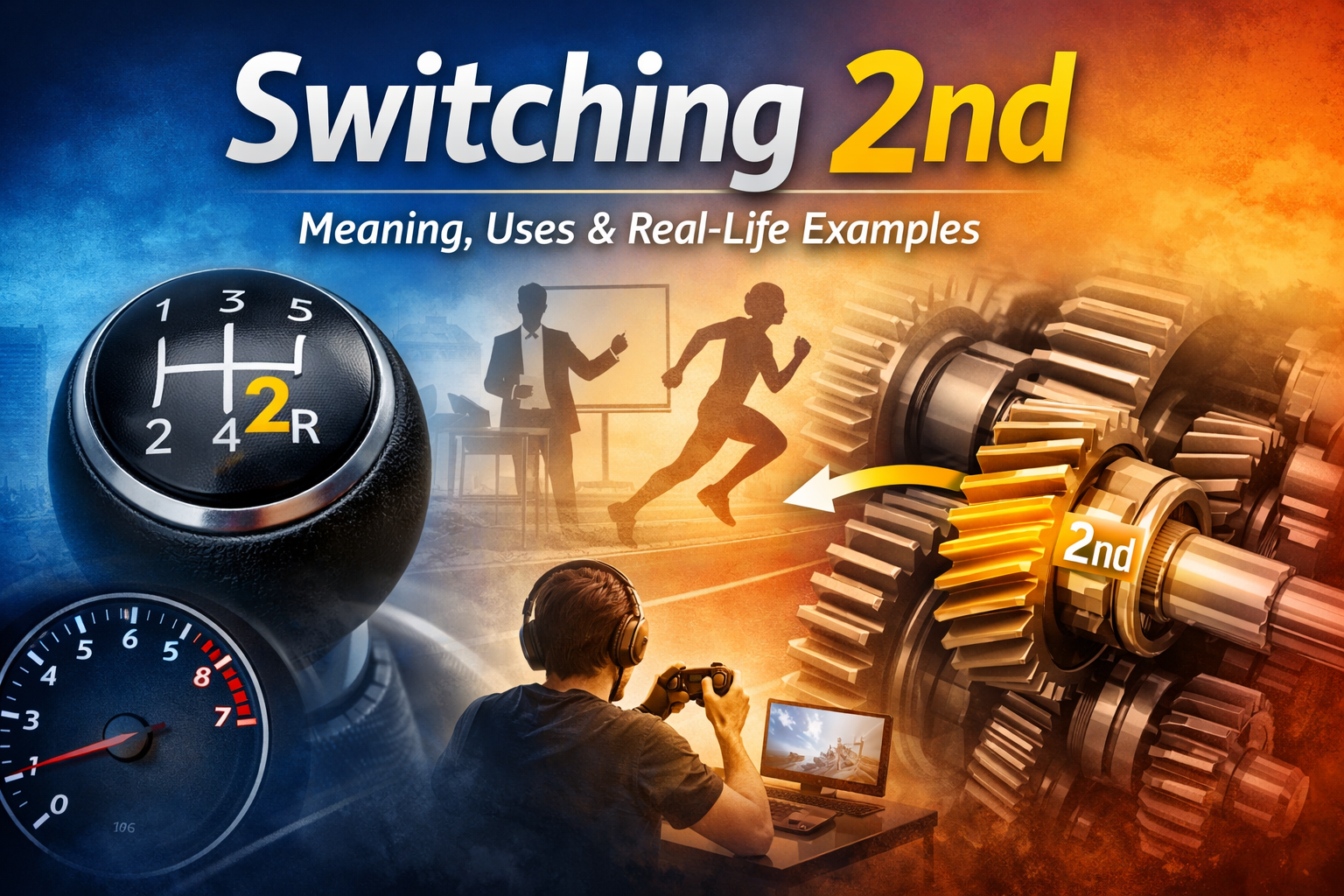
Switching 2nd is a phrase that looks simple, but it is used in many ways. Some people use it for driving. Others use it as a life or work idea. At its core, switching 2nd means moving from the starting stage to a smoother and more controlled stage.
This article explains switching 2nd in basic and simple English. It follows how Google understands topics, meaning, and context. You will learn what switching 2nd means, where it comes from, why it matters, and how to use it in real life StateKaidz
What Does Switching 2nd Mean?
Switching 2nd means changing from the first stage to the second stage of something.
-
The first stage is about starting
-
The second stage is about control and flow
In simple words, switching 2nd is what you do after you begin and before you master something.
Simple Definition
Switching 2nd is the act of adjusting your approach after you start, so things become easier, smoother, and more effective.
Where the Term Switching 2nd Comes From
The term comes from manual driving.
-
First gear helps a car start moving
-
Second gear helps the car move smoothly
First gear is powerful but rough. Second gear is balanced and steady.
People later used this idea in life, work, sports, and learning.
Switchin2nd in Driving
In driving, switching2nd means changing from first gear to second gear in a manual car.
Why Drivers Switch to Second Gear
Drivers switch to second gear because:
-
First gear is only for starting
-
Second gear gives better control
-
The car moves more smoothly
Common Driving Mistakes
-
Staying too long in first gear
-
Shifting too fast without control
-
Not listening to the engine
These mistakes also happen in life and work when people do not adjust after starting.
Switching2nd as an Idea (Not Driving)
Outside driving, switching2nd is used as an idea or mindset.
It means:
-
You started something
-
You learned a little
-
Now you change your way to do it better
First Mode vs Second Mode
| First Mode | Second Mode |
|---|---|
| Trying | Improving |
| Learning basics | Using knowledge |
| High effort | Better control |
| Unstable | Balanced |
Switching2nd in Personal Life
Many people start things with excitement but stop later. Switching2nd helps them continue.
Examples in Daily Life
-
Starting exercise → creating a routine
-
Learning a skill → practicing daily
-
Trying to change habits → building systems
Signs You Need to Switch 2nd in Life
-
You feel tired but still want results
-
You know what to do but struggle to continue
-
Motivation is low but goal is still important
How Switching2nd Helps Personal Growth
Switching2nd helps by:
-
Reducing stress
-
Creating balance
-
Making progress easier
Switching2nd at Work
Work life has many first and second stages.
First Stage at Work
-
Learning tasks
-
Making mistakes
-
Asking many questions
Second Stage at Work
-
Working faster
-
Understanding priorities
-
Solving problems on your own
Example Table
| Work Stage | Focus |
|---|---|
| First stage | Learning |
| Second stage | Improving |
| Later stage | Leading |
Switching2nd at work means working smarter, not harder.
Switching2nd in Communication
Communication also has first and second modes.
First Communication Mode
-
Talking without thinking
-
Using the same style with everyone
-
Reacting emotionally
Second Communication Mode
-
Listening more
-
Choosing words carefully
-
Adjusting tone and style
Switching2nd in communication improves:
-
Relationships
-
Teamwork
-
Trust
Switching2nd in Sports
Athletes often talk about changing gears.
What Switching2nd Means in Sports
In sports, switching2nd means:
-
Changing pace
-
Adjusting strategy
-
Saving energy
Sports Examples
-
A runner slows down to keep stamina
-
A team changes tactics mid-game
-
A player becomes more careful and accurate
Why Athletes Need Second Gear
| Reason | Benefit |
|---|---|
| Less fatigue | Longer performance |
| Better focus | Fewer mistakes |
| Smart play | Higher chance to win |
Switching2nd in Business
Business growth also happens in stages.
First Stage in Business
-
Starting fast
-
Trying ideas
-
Taking risks
Second Stage in Business
-
Fixing problems
-
Improving systems
-
Growing slowly but safely
Business Growth Table
| Stage | Main Goal |
|---|---|
| First stage | Start and test |
| Second stage | Improve and stabilize |
| Later stage | Scale and lead |
Switching2nd in business prevents burnout and failure.
Switching2nd in Leadership
Good leaders know when to change gears.
First Gear Leadership
-
Doing everything alone
-
Giving many instructions
-
Reacting to problems
Second Gear Leadership
-
Delegating tasks
-
Trusting the team
-
Planning ahead
Switching2nd helps leaders build strong teams.
Switching2nd in Gaming
In gaming, switching2nd means changing strategy during play.
Gaming Examples
-
Changing weapons or tools
-
Adjusting play style
-
Responding to opponents
Why Gamers Switch 2nd
-
First plan stops working
-
Opponent adapts
-
Game conditions change
Smart players win by adapting, not repeating.
Benefits of Switching2nd
Switching2nd is useful in all areas of life.
Main Benefits
-
Better control
-
Less stress
-
Steady progress
-
Higher success rate
Benefits by Area
| Area | Benefit |
|---|---|
| Life | Balance |
| Work | Efficiency |
| Sports | Endurance |
| Business | Stability |
| Gaming | Strategy |
Signs It Is Time to Switch 2nd
You should switch 2nd when:
-
Progress slows down
-
Effort feels too high
-
Results are unclear
-
You feel stuck
Ignoring these signs leads to burnout.
How to Switch 2nd the Right Way
Switching2nd should be done carefully.
Step-by-Step Process
-
Look at what you are doing now
-
Find what is not working
-
Keep what works
-
Change how you do the rest
Simple Tips
-
Do not rush
-
Use feedback
-
Stay calm and focused
Common Myths About Switching2nd
Switching2nd Means Quitting
Truth: It means improving, not quitting.
Switching2nd Means Starting Again
Truth: You build on what you already did.
Switching2nd Is Only About Speed
Truth: It is about control and balance.
Switching2nd Is a Weak Move
Truth: It shows intelligence and growth.
Switching2nd vs Staying in First Mode
| Point | First Mode | Second Mode |
|---|---|---|
| Energy | High but unstable | Balanced |
| Focus | Starting | Improving |
| Stress | High | Lower |
| Results | Short-term | Long-term |
Staying in first mode too long causes problems. Switching2nd creates flow.
Real-Life Examples
Personal Example
A person starts waking up early but feels tired. Switching2nd means:
-
Sleeping earlier
-
Preparing the night before
-
Choosing realistic times
Work Example
A team starts a project fast. Switching2nd means:
-
Reviewing mistakes
-
Improving processes
-
Clear roles
Sports Example
An athlete starts strong. Switching2nd means:
-
Managing energy
-
Playing smarter
-
Staying consistent
Why Switching2nd Is Important
Switching2nd is important because life is not only about starting. Real success comes from adjusting and continuing.
People who switch 2nd:
-
Last longer
-
Perform better
-
Feel less stress
FAQs
What does switching 2nd mean?
Switching 2nd means moving from the starting stage of something to a smoother and more controlled stage after learning the basics.
Is switching 2nd only related to driving?
No, switching 2nd is also used as a life, work, sports, and strategy idea to explain adapting after starting.
Why is switching 2nd important?
Switching 2nd is important because it helps reduce stress, improve control, and maintain long-term progress.
When should you switch 2nd?
You should switch 2nd when progress slows, effort feels too high, or your first approach stops working well.
Is switching 2nd a sign of failure?
No, switching 2nd is a sign of growth and smart decision-making, not failure.
Conclusion
Switching2nd is a simple idea with strong meaning. It teaches us that starting is not enough. Growth happens when we learn, adjust, and move forward with control, no matter what you are doing—learning, working, playing, or growing—remember this, start in first gear, but do not stay there. Switch 2nd when the time is right.